- Choosing protein-rich snacks helps increase satiety, preserve muscle mass, and support metabolism.
- Fiber-packed snacks slow digestion, control blood sugar, and keep you feeling full longer.
- Healthy fats like those in nuts, seeds, and avocado can aid weight management when eaten in moderation.
- Snack timing is important—strategic snacking prevents extreme hunger and reduces overeating at meals.
- Portion control ensures that even healthy snacks don’t contribute to excess calorie intake.
- Mindful and planned snacking supports long-term weight-loss goals and prevents impulsive, unhealthy choices.
- Combining healthy snacks with a balanced diet enhances overall nutrition and promotes sustainable weight loss.
Snacking often gets a bad reputation when it comes to weight loss. Many assume that eating between meals leads to weight gain, but the reality is more nuanced. Choosing the right snacks can actually support weight management, stabilize blood sugar levels, and prevent overeating during main meals. Understanding the science behind what makes a snack effective for weight loss is essential for anyone striving to maintain a healthy lifestyle—even for specific goals, such as how to lose weight in the thighs.
This article explores the mechanisms that make certain snacks more beneficial than others, backed by scientific research. We’ll cover nutrient composition, timing, portion control, and practical snack ideas that help you achieve your weight loss goals without feeling deprived.
Why Snacks Matter for Weight Loss
Many people overlook the importance of snacks when trying to lose weight. Skipping snacks can lead to extreme hunger later, increasing the likelihood of overeating during meals. Healthy snacks can help maintain steady energy levels and reduce cravings for unhealthy foods.
Scientific studies show that including nutrient-rich snacks in your diet can improve satiety and support metabolism. A well-chosen snack can act as a bridge between meals, preventing blood sugar spikes and crashes. By choosing snacks wisely, you create a consistent caloric intake pattern that supports sustainable weight loss.
Snacking strategically also allows you to include more nutrient-dense foods in your diet. For example, snacks high in protein and fiber can increase feelings of fullness while keeping your calorie intake moderate. Understanding which snacks work best and why is key to making smarter dietary choices.
How Protein Supports Healthy Snacking
Protein is a critical nutrient for weight management because it promotes satiety and helps maintain lean muscle mass. Including protein in your snacks slows digestion and stabilizes blood sugar levels, making it easier to avoid mid-afternoon energy crashes.
Research indicates that protein can reduce overall calorie intake by curbing appetite. Snacks such as Greek yogurt, cottage cheese, or boiled eggs provide a high protein content without excessive calories. Combining protein with fiber-rich foods amplifies the feeling of fullness and supports healthy digestion.
Moreover, protein helps preserve muscle tissue during weight loss. Maintaining muscle mass is important because it contributes to resting metabolic rate, allowing your body to burn more calories even at rest. For those wondering if they can lose weight with Pilates, combining strength-focused exercises like Pilates with protein-rich snacks can support muscle maintenance and enhance fat loss. Smart protein-based snacking is therefore a strategic tool for long-term weight management.
The Role of Fiber in Healthy Snacks
Fiber is a type of carbohydrate that the body cannot digest, which plays a significant role in weight management. High-fiber snacks slow the absorption of sugar into the bloodstream, reducing hunger pangs and promoting longer-lasting satiety.
Fiber-rich snacks include fruits, vegetables, nuts, seeds, and whole grains. Eating fiber with protein can further enhance feelings of fullness and help control portion sizes. Studies have found that individuals who consume adequate fiber tend to have lower body weight and improved metabolic health.
Additionally, fiber supports digestive health by promoting regular bowel movements and feeding beneficial gut bacteria. A healthy gut can influence appetite regulation and reduce cravings, making fiber an essential component of any weight-loss snack strategy.
Healthy Fats and Weight Management
While fats are calorie-dense, certain healthy fats can aid in weight loss when consumed in moderation. They contribute to satiety, provide essential fatty acids, and help your body absorb fat-soluble vitamins.
Snacks containing unsaturated fats, such as avocados, nuts, and seeds, can reduce hunger and prevent overeating during main meals. Omega-3 fatty acids, found in flaxseeds, chia seeds, and walnuts, have been shown to support metabolism and reduce inflammation, which may facilitate weight management.
Balancing fat intake is crucial; too much can easily lead to excess calorie consumption. Therefore, pairing healthy fats with protein or fiber-rich foods ensures a more controlled calorie intake while still benefiting from fat’s satiating effects.
Timing Your Snacks for Maximum Effect
The timing of your snacks can impact hunger levels, energy, and weight loss outcomes. Eating at consistent intervals helps regulate blood sugar and prevents extreme hunger that could lead to overeating.
Morning and afternoon snacks are particularly beneficial for maintaining energy levels. For example, a mid-morning snack can prevent late-morning cravings, while a mid-afternoon snack can reduce the urge for high-calorie sweets. Avoiding late-night snacks is advisable, as eating close to bedtime can interfere with metabolism and digestion.
Using snacks strategically around workouts is another effective approach. Consuming a balanced snack before or after exercise can enhance energy, improve recovery, and prevent muscle breakdown, ultimately supporting your weight-loss efforts.
Portion Control and Snack Choices
Even healthy snacks can contribute to weight gain if consumed in large quantities. Understanding proper portion sizes is essential to reap the benefits of healthy snacking without exceeding caloric needs.
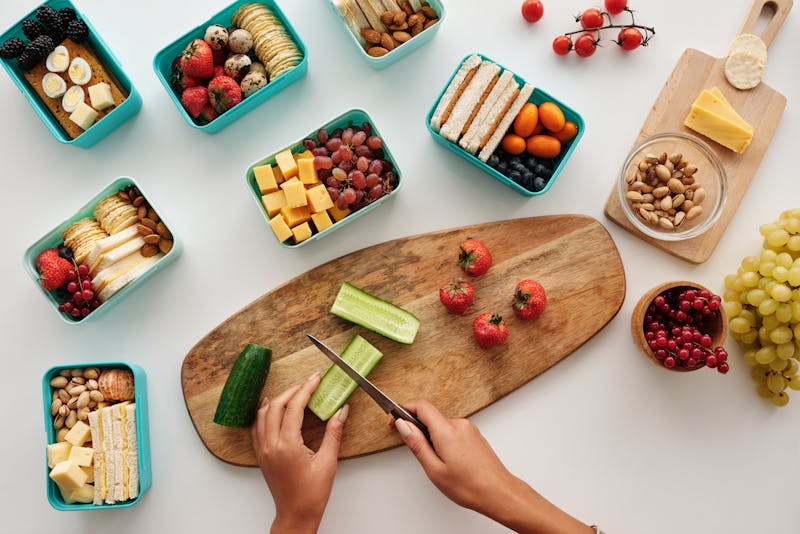
A simple rule is to keep snacks around 150–250 calories. Measuring portions, using smaller bowls, or pre-packing snacks can prevent mindless eating. High-calorie snacks like nuts or dried fruit should be consumed in moderation, while lower-calorie options like raw vegetables or air-popped popcorn can be eaten in slightly larger portions.
Choosing nutrient-dense snacks rather than empty-calorie options ensures that every bite contributes to satiety and nutrition. Pairing protein, fiber, and healthy fats in the right portions is the most effective strategy for satisfying hunger while supporting weight loss.
Examples of Healthy Snacks for Weight Loss
To put theory into practice, here are examples of healthy snacks backed by scientific research:
Protein-Packed Snacks
- Greek yogurt with berries
- Boiled eggs with a sprinkle of pepper
- Cottage cheese with cucumber slices
Fiber-Rich Snacks
- Apple slices with almond butter
- Carrot sticks and hummus
- Oatmeal topped with chia seeds
Healthy Fat Snacks
- Handful of mixed nuts
- Avocado on whole-grain toast
- Chia seed pudding with unsweetened almond milk
Low-Calorie, Nutrient-Dense Snacks
- Air-popped popcorn
- Celery sticks with peanut butter
- Edamame with a pinch of sea salt
These snacks combine protein, fiber, and healthy fats to help you feel satisfied and maintain energy throughout the day.
The Psychological Benefits of Snacking
Healthy snacks not only support physical weight loss but also have psychological advantages. Allowing yourself planned snacks reduces feelings of deprivation, making it easier to stick to a diet long-term.
Mindful snacking—paying attention to taste, texture, and hunger cues—can improve overall eating habits. Studies suggest that mindful eaters tend to consume fewer calories and experience greater satisfaction from meals and snacks.
Additionally, having healthy snacks readily available reduces the temptation to choose unhealthy options when hunger strikes. By planning your snacks, you take control of your diet and create positive habits that reinforce weight-loss goals.
Common Snack Mistakes to Avoid
Even with the healthiest intentions, some snack choices can hinder weight loss. Common mistakes include eating high-sugar snacks, oversized portions, or snacking mindlessly while watching TV or working.
Processed snacks, candy bars, and sugary drinks can spike blood sugar and lead to cravings shortly after consumption. Opt for whole, minimally processed foods instead. Portion control is also essential; even nutritious snacks like nuts or avocado can contribute to excess calories if eaten in large quantities.
Finally, avoid snacking out of boredom or stress. Differentiating between physical hunger and emotional triggers ensures that your snack choices are supporting your goals rather than undermining them.
Combining Snacks with Overall Diet for Weight Loss

Healthy snacking is most effective when paired with a balanced overall diet. Include a variety of fruits, vegetables, lean proteins, whole grains, and healthy fats in your meals to support weight loss.
Consistency is key: regular meals and snacks that align with your calorie and nutrient needs prevent extreme hunger and energy dips. Using snacks to complement meals, rather than replace them, ensures a steady flow of nutrients and sustainable weight management.
Tracking your snack intake through a food diary or app can also provide insights into patterns and areas for improvement. By approaching snacking strategically, you create a supportive environment for achieving and maintaining your weight-loss goals.
Conclusion
Healthy snacks for weight loss are more than just convenient food options—they are strategic tools that help regulate hunger, stabilize blood sugar, and promote overall health. By choosing snacks rich in protein, fiber, and healthy fats, timing them wisely, and practicing portion control, you can make snacking an ally rather than a barrier in your weight-loss journey.
Remember, the science behind snacking shows that thoughtful choices can boost metabolism, reduce cravings, and support sustainable weight management. Incorporate these strategies into your daily routine to enjoy satisfying snacks that truly work for your health goals.