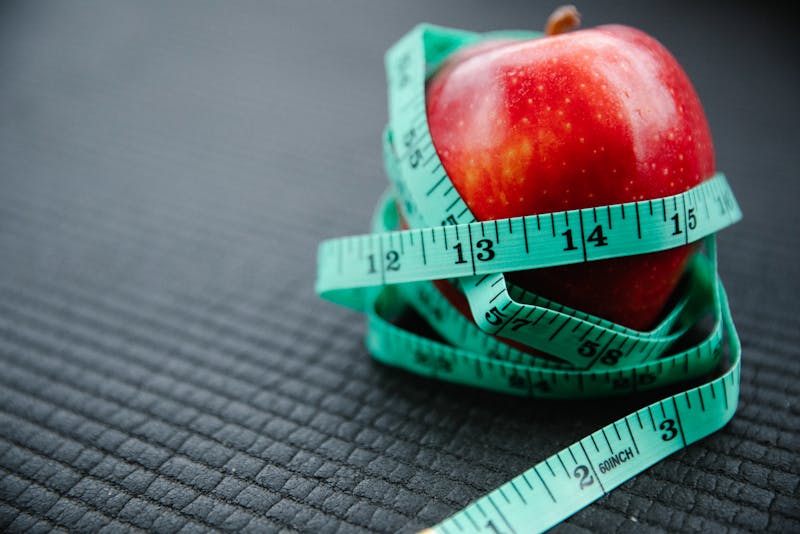

- Eating at night does not automatically cause weight gain; choosing the right foods can support fat loss and better sleep.
- Protein-rich, low-calorie foods help control nighttime hunger while supporting muscle recovery and metabolism.
- Complex carbohydrates and fiber-rich foods can improve sleep by supporting serotonin and melatonin production.
- Certain nutrients like magnesium, potassium, and tryptophan play a key role in relaxation and sleep quality.
- Avoiding sugary, processed, and caffeinated foods at night helps prevent blood sugar spikes and sleep disruption.
- Mindful nighttime eating habits are just as important as food choices for sustainable weight loss.
Late-night hunger is one of the biggest challenges for people trying to lose weight. After a long day, cravings often hit hardest at night—right when willpower is lowest, and sleep is most important. Many people assume that eating anything at night automatically leads to weight gain, but research suggests the issue is not when you eat, but what and how much you eat. Choosing the right nighttime foods can support fat loss, reduce cravings, stabilize blood sugar, and even improve sleep quality.
This article explores what to eat at night to lose weight and improve sleep quality using evidence-based nutrition principles. You’ll learn which foods help regulate hunger hormones, promote relaxation, and prevent late-night overeating—without disrupting your calorie goals.
Why Nighttime Eating Matters for Weight Loss and Sleep
Nighttime eating has a complicated relationship with both weight management and sleep quality. While many weight-loss plans encourage avoiding food after a certain hour, this advice doesn’t always account for biological hunger, circadian rhythms, or lifestyle realities. For people actively trying to lose weight, ignoring hunger at night can backfire, leading to poor sleep, increased cortisol levels, and stronger cravings the following day.
From a physiological perspective, the body continues to burn calories while you sleep. However, metabolism naturally slows, insulin sensitivity decreases, and digestion becomes less efficient at night. This means food choices matter more during evening hours than earlier in the day. Highly processed, sugary, or high-fat foods can disrupt sleep cycles and contribute to fat storage.
On the other hand, strategic nighttime eating can actually support weight loss. Foods rich in protein, fiber, magnesium, and tryptophan can stabilize blood sugar, promote satiety, and enhance sleep quality. Understanding this balance is essential for long-term, sustainable fat loss.
How Nighttime Hunger Affects Hormones
- Ghrelin (the hunger hormone) increases when sleep-deprived
- Leptin (the fullness hormone) decreases with poor sleep
- Cortisol rises when hunger and stress combine at night
- Blood sugar fluctuations trigger cravings and restless sleep
Why Sleep Quality Impacts Weight Loss
- Poor sleep slows metabolism
- Sleep deprivation increases appetite
- Fat oxidation decreases with inadequate rest
- Cravings for high-calorie foods intensify
What to Eat at Night to Lose Weight Without Disrupting Sleep
Choosing the right foods at night is not about strict restriction—it’s about supporting your body’s natural rhythms. The ideal nighttime snack or light meal should be low in calories, easy to digest, and rich in nutrients that promote relaxation and satiety. Protein helps preserve muscle and curb hunger, while complex carbohydrates support serotonin production, which plays a role in sleep regulation.
Foods that spike blood sugar or require heavy digestion can interfere with melatonin production and reduce sleep quality. In contrast, foods that contain magnesium, calcium, potassium, or tryptophan help calm the nervous system and support deeper sleep cycles.
When planned correctly, nighttime eating can prevent binge episodes, improve sleep duration, and keep your weight-loss plan on track without guilt or discomfort.
Choosing nutrient-dense options at night turns late eating into an opportunity rather than a setback, especially when you focus on healthy snacks for weight loss that control hunger without adding excess calories.
Best Nutrients to Prioritize at Night
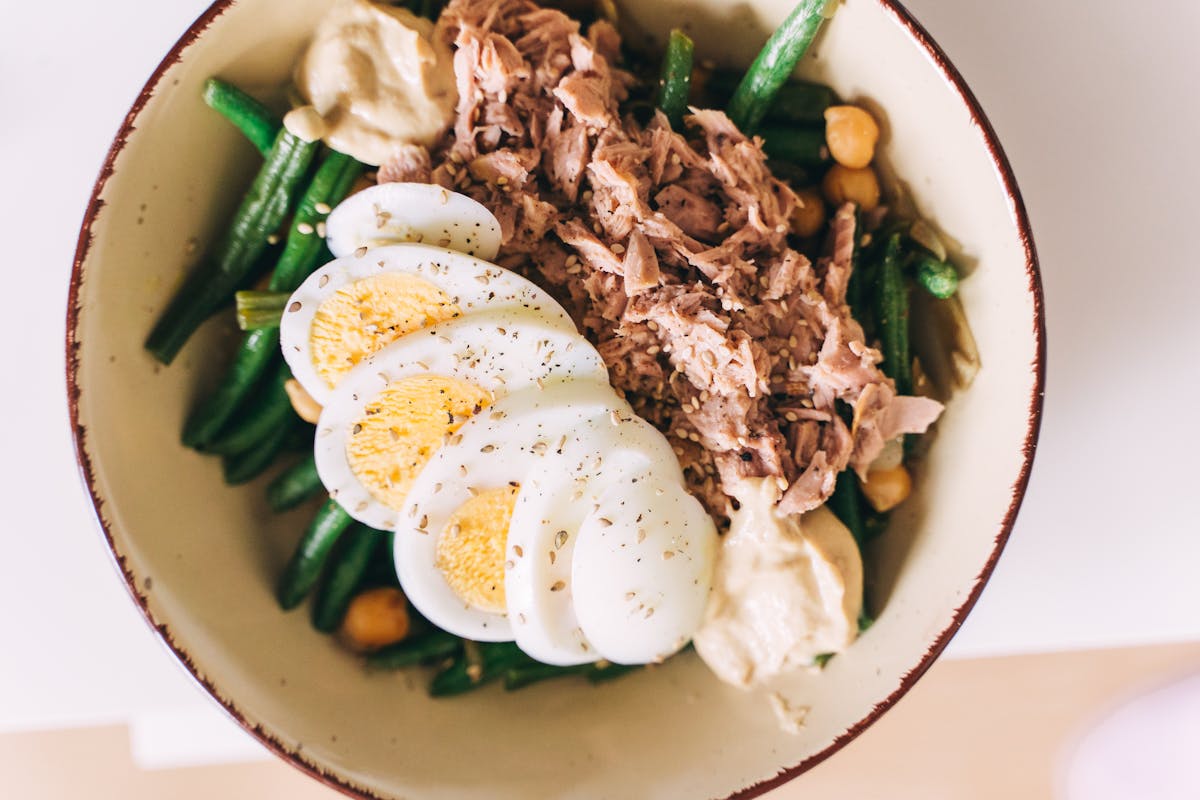
- Lean protein for muscle maintenance and fullness
- Fiber for blood sugar stability
- Magnesium and potassium for relaxation
- Slow-digesting carbohydrates for serotonin support
Portion Control Still Matters
- Keep snacks under 200 calories
- Avoid large meals within 2 hours of bedtime
- Eat mindfully, not distracted
Best Protein-Rich Foods to Eat Before Bed
Protein is one of the most effective nutrients for managing hunger and supporting fat loss, especially at night. Unlike carbohydrates or fats alone, protein slows digestion and helps prevent blood sugar spikes that can disrupt sleep. It also supports muscle repair during sleep, which is critical for maintaining metabolic rate during weight loss.
Low-fat, easily digestible protein sources are ideal for nighttime consumption. These foods provide satiety without heaviness, making them less likely to interfere with sleep quality. Research also shows that protein before bed may reduce nighttime cravings and improve morning appetite control.
Top Protein Choices for Nighttime
- Greek yogurt (low-fat, unsweetened)
- Cottage cheese
- Hard-boiled eggs
- Protein smoothies with water or almond milk
- Tofu or tempeh (for plant-based diets)
Why Casein Protein Is Ideal at Night
- Slow digestion rate
- Supports muscle recovery
- Keeps you full longer
- Minimal impact on blood sugar
Carbohydrates That Support Sleep and Fat Loss
Carbohydrates often get blamed for weight gain, but the right carbs can actually improve sleep and aid fat loss when eaten at night. Complex carbohydrates help increase serotonin levels, which later convert to melatonin—the hormone responsible for sleep regulation. The key is choosing whole-food sources that digest slowly and don’t spike blood sugar.
Refined carbohydrates, sugary snacks, and processed foods can interfere with sleep by causing rapid insulin spikes followed by crashes. In contrast, fiber-rich carbs help stabilize energy levels and promote relaxation.
Best Nighttime Carbohydrate Options
- Oatmeal (small portion)
- Sweet potatoes
- Whole-grain crackers
- Quinoa
- Berries
How Carbs Help You Sleep Better
- Increase tryptophan availability
- Support melatonin production
- Reduce nighttime cortisol levels
- Prevent early-morning hunger
Healthy Fats That Promote Fullness and Relaxation
Healthy fats play an important role in satiety and hormone regulation, but portion size is critical—especially at night. While fats digest more slowly, excessive intake can cause digestive discomfort and disrupt sleep. Small amounts of unsaturated fats, however, can help you feel satisfied and reduce cravings.
Some fats also contain compounds that support brain health and relaxation. When combined with protein or fiber, they create balanced nighttime snacks that support weight loss without overeating.
Best Healthy Fats for Nighttime Eating
- Almonds or walnuts (small handful)
- Chia seeds or flaxseeds
- Natural peanut butter (1 tablespoon)
- Avocado slices
Fats to Avoid Late at Night
- Fried foods
- Heavy cream-based dishes
- Processed snacks
- Large portions of cheese
Foods That Improve Sleep Quality While Supporting Fat Loss
Sleep quality is just as important as calorie control when it comes to losing weight. Certain foods contain nutrients that actively promote relaxation, reduce stress, and improve sleep efficiency. Magnesium, calcium, potassium, and tryptophan all play key roles in regulating sleep cycles and muscle relaxation.
Including these foods at night can help you fall asleep faster, stay asleep longer, and wake up feeling more rested—making it easier to maintain healthy eating habits the next day.
Sleep-Boosting Foods to Consider
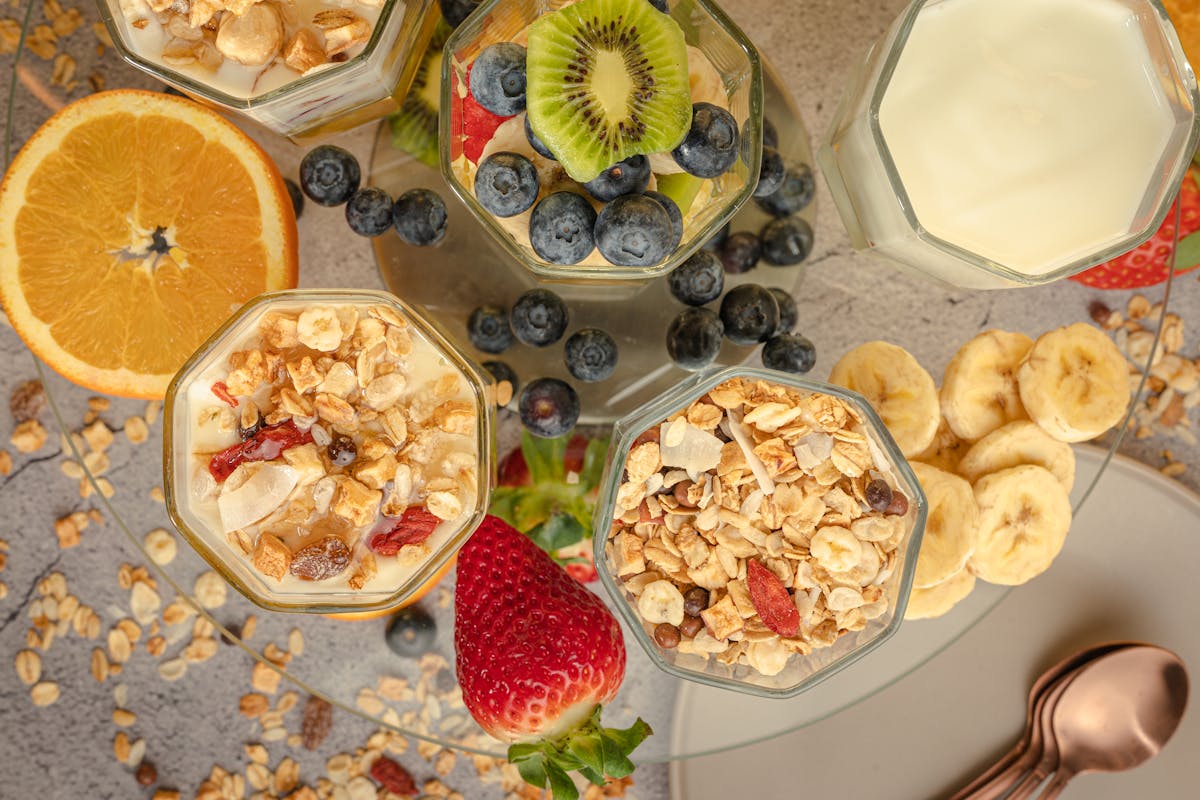
- Bananas (potassium and magnesium)
- Tart cherry juice (melatonin support)
- Warm milk or fortified plant milk
- Herbal teas (chamomile, valerian root)
In addition to solid foods, incorporating calming, healthy drinks for weight loss—such as herbal teas or unsweetened plant-based milk—can promote relaxation while keeping nighttime calories in check.
How Better Sleep Supports Weight Loss
- Improves insulin sensitivity
- Reduces cravings
- Enhances fat metabolism
- Increases daytime energy
Foods to Avoid at Night When Trying to Lose Weight
Knowing what not to eat at night is just as important as knowing what to include. Certain foods interfere with sleep, increase inflammation, and promote fat storage when eaten late in the evening. These foods tend to be calorie-dense, highly processed, or stimulating.
Avoiding these items can significantly improve both sleep quality and weight-loss progress over time.
Common Nighttime Food Mistakes
- Sugary desserts and candy
- Alcohol
- Spicy foods
- Caffeinated beverages
- Fast food or processed snacks
Why These Foods Are Problematic
- Disrupt melatonin production
- Increase nighttime heart rate
- Cause blood sugar fluctuations
- Lead to poor sleep quality
Smart Nighttime Eating Habits for Sustainable Weight Loss
Food choices matter, but habits matter just as much. Creating a consistent nighttime routine can help reduce emotional eating, improve sleep quality, and support long-term weight loss. Eating mindfully, planning ahead, and listening to hunger cues are essential strategies.
Late-night eating becomes a problem when it’s driven by stress, boredom, or fatigue rather than genuine hunger. Addressing these triggers helps create a healthier relationship with food.
Healthy Nighttime Eating Tips
- Set a consistent dinner time
- Plan a healthy evening snack
- Avoid screens before bed
- Stay hydrated throughout the day
Signs You’re Eating Out of Habit, Not Hunger
- Craving specific comfort foods
- Eating while distracted
- Feeling guilty after eating
- Snacking immediately before bed
Conclusion: Nighttime Eating Can Support Weight Loss When Done Right
Eating at night does not have to sabotage your weight-loss goals. When done intentionally, nighttime eating can actually support fat loss, improve sleep quality, and reduce cravings. The key is choosing nutrient-dense foods that promote satiety and relaxation while avoiding items that disrupt sleep and blood sugar balance.
By focusing on protein, fiber, healthy fats, and sleep-supporting nutrients, you can turn nighttime eating into a strategic part of your weight-loss plan—not a setback. Sustainable weight loss is about balance, not deprivation, and learning what to eat at night is a powerful step toward long-term success.